
In Person Sound Therapy
What is SOund therapy?
Sound Therapy (Sound Healing ) is a holistic, energy-based complementary therapy that uses sound, vibration, and frequency to support relaxation, nervous system regulation, and overall well-being. It involves the use of singing bowls, tuning forks, chimes and gongs—played in a specific, meditative way to create vibration and soothing soundscapes that promote deep relaxation and inner balance.It is often used alongside trauma therapy to help calm the body and create a sense of safety from within.
Sound healing has ancient roots in cultures all over the world, including Australian aboriginal tribes who used the didgeridoo as a sound healing instrument for over 40,000 years to ancient such as Tibetan or Himalayan singing bowl spiritual ceremonies.

WHo is it for?
Sound therapy is particularly recommended for people who are seeking calm, peace and relaxation however struggling with:
- Chronic Pain or Chronic Fatigue
- Hypervigilance, PTSD
- Anxiety
- Depression
- Sleep problems
- Muscle pain
- Migraine
- Hormone imbalance
- Arthritis, Tinnitus
- Digestive problems
- Grief
Some people seek sound therapy as a natural way to reduce stress, experience deep relaxation, and restore balance in the body and nervous system.
How does it work?
Sound therapy works on both energetic and physical levels, influencing the mind, body, and nervous system. The waves of sound therapy instruments help release these blockages. .Through carefully applied sound frequencies, it can:
- Support deep relaxation and meditation
- Help release tension and energetic blockages
- Promote balanced energy flow throughout the body
- Encourage the body’s natural self-healing processes
- The vibrations produced by the instruments may be experienced both audibly and physically, either on or off the body. The sound frequencies produced from the instruments penetrate the body to work on a cellular level in order to assist with many health conditions
How can it help?
Sound healing is based on the principle that specific frequencies can help bring the body into a state of homeostasis—a natural balance across all body systems (Hagan 2019, Psychology Today). This can support:
- Improved overall well-being
- Reduced Tension and Pain relief
- Nervous system regulation
- Stress reduction and emotional balance
- Reduces anxiety
- Supports clarity
- Enhances meditation and mindfulness
- Promotes physical relaxation and balance
- Complements trauma therapy and holistic healing approaches

How does a session look like?
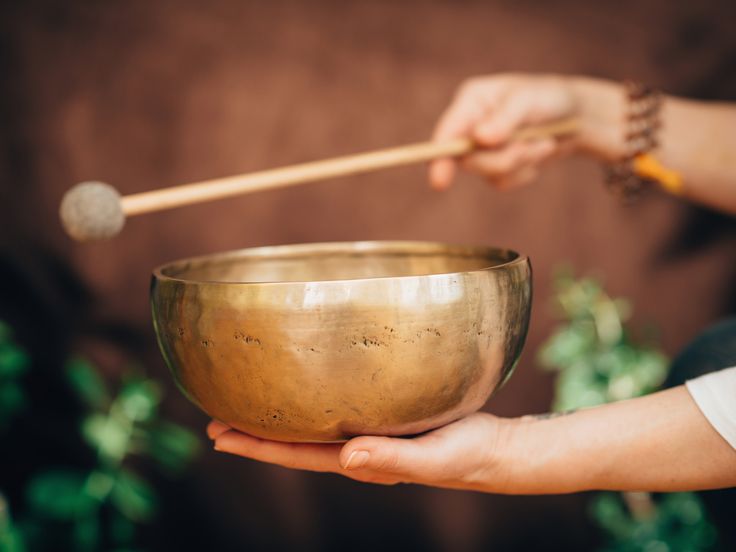
The client lies on therapy table, fully clothed with blanket over. The therapist does not touch the client, instead the therapist will expertly place a variety of specially tuned therapy instruments such as Himalayan singing bowls at specific points on the physical body. The therapist chooses the instruments based on the sound frequencies required to assist with the particular condition.
How many Treatments Do I Need?
The number of sessions required will depend on what the individual’s needs are. One session is sufficient for a relaxation experience. A course of a minimum of 3 sessions is recommended for a noticeable change in stress-related conditions. Sessions should be no more than 6-7 days apart, especially at the beginning of the treatment.

Research articles

SOUND THERAPY VIDEO RESOURCES
Grounding music
Singing Bowl Meditation
What’s next?