
in-person or online Trauma-informed coaching
What is Trauma-informed coaching?
Trauma-informed coaching takes into account the whole person—mind, body, and lived experience and its impact on the nervous system, rather than focusing only on goals or performance.
What is Ontological coaching?
Ontological coaching is the main modality I draw on, which is grounded in the concept of “way of being,” it views human experience as a dynamic interplay between language, emotions, and the body. By working across these three dimensions with awareness, sensitivity, and respect for each person’s history, this approach can foster deep insight, meaningful learning, and lasting, transformative change.

WHO IS IT FOR?
Coaching can support a wide range of personal and professional areas, helping you create clarity, build confidence, and take meaningful action. Some key areas include:
- Career and professional development – navigating change, finding direction, or stepping into leadership
- Personal growth and self-awareness – understanding patterns, values, and your “way of being”
- Goal-setting and accountability – turning ideas into clear, achievable actions
- Confidence and mindset – overcoming self-doubt and building resilience
- Emotional awareness – developing a healthier relationship with your thoughts and feelings
- Communication and relationships – improving how you express yourself and connect with others
- Work–life balance – creating alignment between your priorities and daily life
- Stress and overwhelm – building practical strategies to manage pressure and regain focus
- Life transitions – support through change, uncertainty, or new beginnings
Coaching Approaches I draw on
Coaching
- Ontological Coaching
- Life Coaching
- NLP
- Somatic Coaching
- Mindfulness-based coaching
trauma-informed
- Polyvagal Theory
- Somatic Experiencing .
- Structural Dissociation Model
- Nervous System Regulation
How does it work?
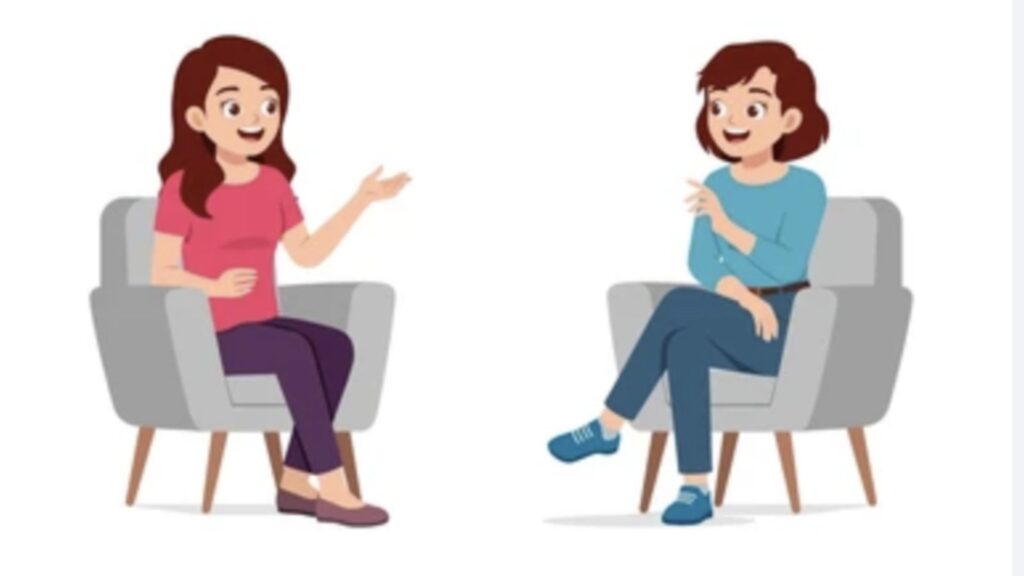
Coaching is a collaborative, structured process that helps you move from where you are now to where you want to be.
- It typically begins with clarifying what you want—your goals, challenges, or areas for growth.
- From there, we work together through questions, reflection and various activities including arts material, movement, psycho-education, to explore how you can move forward
How can it help?
Coaching helps you move forward with greater clarity, confidence, and intention. It can help:
- Build confidence – strengthen trust in yourself and your decisions
- Improve decision-making – approach choices with greater clarity and alignment
- Develop practical strategies – turn ideas into clear, achievable steps
- Stay accountable – maintain momentum and follow through on commitments
- Navigate change – feel more grounded and supported during transitions
What’s Next?