
In Person and Online Trauma Therapy
What is Trauma Therapy?
Trauma therapy is a specialised form of psychotherapy designed to help people heal from overwhelming or distressing experiences – trauma. It goes beyond traditional talk therapy by addressing not only thoughts and emotions, but also how trauma is stored in the body and nervous system. Rather than just talking about what happened, trauma therapy supports your system in processing and releasing stored stress responses.

My approach to trauma – How is it different?
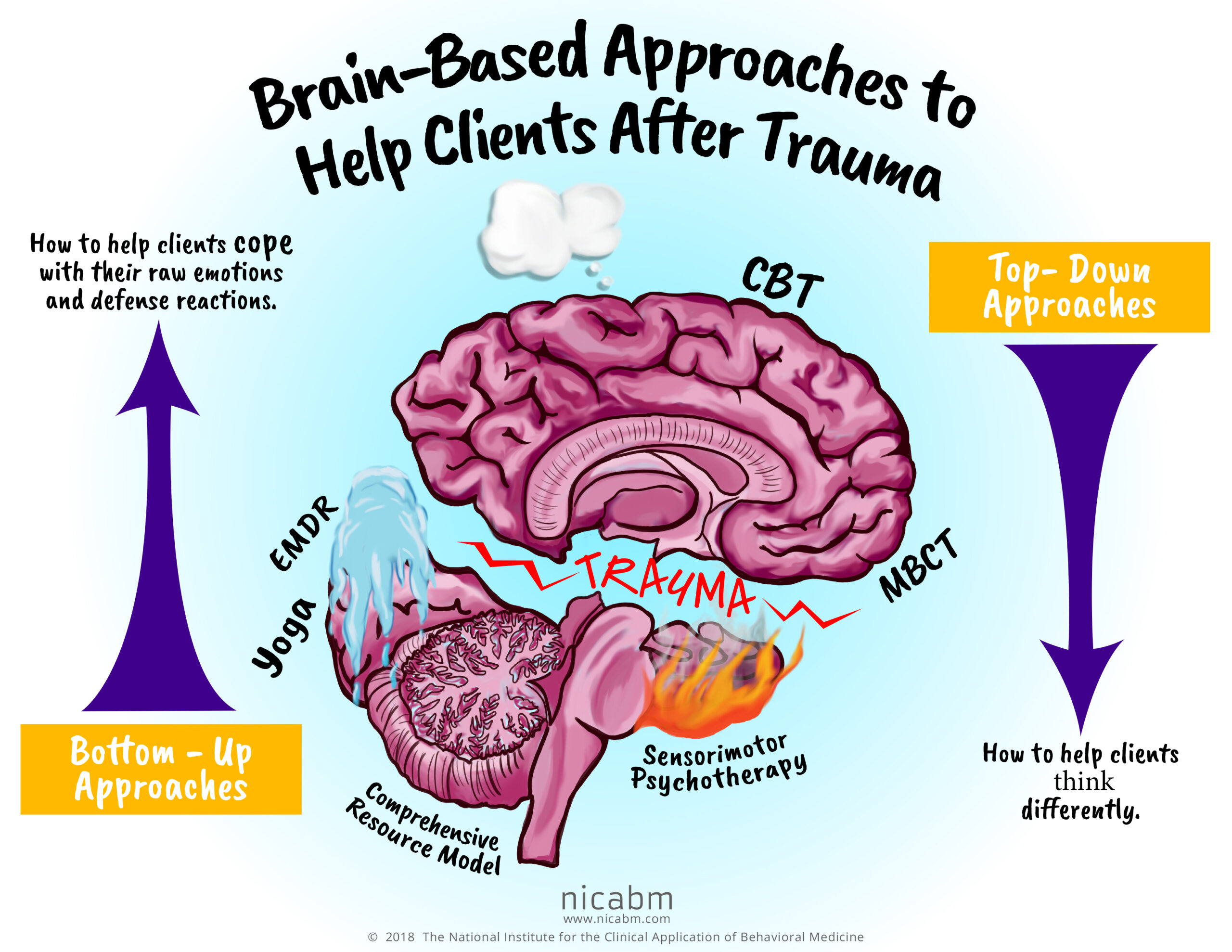
My approach is relational, fostering safety and trust that develop over time. I use a whole-person approach combining “top-down” talk therapy and “bottom-up” body-focused techniques, including Somatic Experiencing (SE). This helps address how trauma affects the mind, body, identity, and relationships while minimizing the risk of re-traumatization.
Three-Phased Trauma Treatment Model
I follow a structured, phased approach to ensure healing is safe by prioritizing:
- Safety and Stabilization First – Establish stability and trust before revisiting traumatic experiences.
- Trauma Processing – Resource Building & Gradual Processing in manageable steps for long-lasting recovery.
- Integration – This phase is about shifting from surviving to living, with greater ease, choice, and connection.
Who is TRAUMA THERAPY for?
Trauma therapy is for anyone who has experienced trauma or struggles with PTSD, complex PTSD or the following trauma symptoms:
Cognitive/Mental Trauma Symptoms
- Intrusive thoughts or memories
- Difficulty concentrating or focusing
- Negative beliefs about yourself or the world
- Flashbacks or reliving past experiences
- Symptoms associated with Post-Traumatic Stress Disorder
Physical/Bodily Symptoms
- Chronic tension or pain in the body
- Fatigue or low energy
- Sleep disturbances or insomnia
- Headaches or digestive issues
- Rapid heartbeat or shallow breathing
Emotional Trauma Symptoms
- Anxiety, fear, or constant worry
- Feeling overwhelmed or easily triggered
- Irritability, anger, or mood swings
- Emotional numbness or disconnection
- Shame, guilt, or low self-worth
Nervous System Symptoms
- Fight: anger, frustration, reactivity
- Flight: restlessness, anxiety, overworking
- Freeze: feeling stuck, numb, or disconnected
- Fawn: appeasing
- Shutdown: low energy, depression, withdrawal
Relational & Identity Symptoms
- Difficulty trusting others
- Fear of closeness or intimacy
- People-pleasing or lack of boundaries
- Feeling disconnected from your sense of self
What does trauma recovery feel like?
Trauma recovery is a gradual process of feeling safe again in your body, mind, and relationships. It’s not about forgetting the past—it’s about no longer being controlled by it.
As your nervous system becomes more regulated, you may notice feeling calmer, more grounded, and less reactive. Emotions become easier to manage, and triggers feel less overwhelming. You begin to respond rather than react, with a growing sense of choice and control. Over time, many people experience:
- Improved emotional balance and resilience
- Better sleep and reduced physical tension
- A stronger, more stable sense of self
- Healthier, more connected relationships
Recovery means moving from survival mode to a place of safety, connection, and possibility.
What’s next?